Dana Ludwig · 2 September 2026
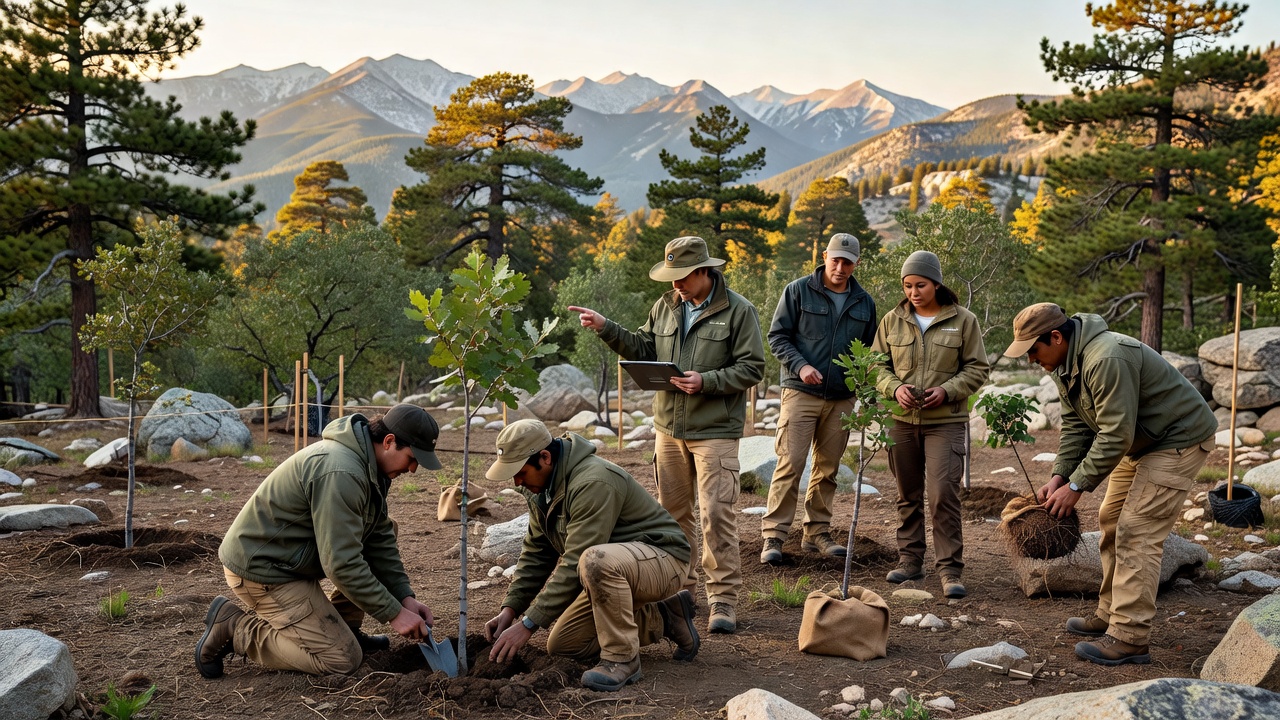
The U.S. Department of Agriculture has awarded $3.2 million in federal grants to restore alpine oak ecosystems across Montana mountain ranges. The funding supports seedling planting, invasive species control, and climate adaptation research in high-elevation forests. Officials expect the initiative to cover 5,000 acres in the Bitterroot and Swan ranges over five years.
Funding Allocation and Implementation Partners
Grants are distributed to the Montana Forest Service, university researchers, and conservation nonprofits. Resources will purchase climate-resilient oak seedlings, conduct controlled burns, and monitor soil health. Teams will track survival rates and wildlife interactions to refine planting methods. Partnerships ensure coordination with state land managers and federal environmental standards. Early phases focus on site preparation and baseline ecological surveys before large-scale planting begins next spring.
Additional support includes training local crews in restoration techniques and developing seed banks for future projects. Progress reports will be shared annually with stakeholders to maintain transparency and adjust strategies based on field data.
Ecological Benefits and Long-Term Monitoring
Alpine oaks support biodiversity by offering habitat and food sources for birds, mammals, and pollinators. Restoration strengthens ecosystem resilience against drought and temperature shifts linked to climate change. Monitoring programs will assess tree growth, carbon sequestration, and species recovery over the coming decade. Public workshops will engage communities through volunteer events and educational sessions on forest conservation. This effort marks a coordinated step to preserve Montana's high-altitude woodlands and their associated natural services.